Member Spotlight: Nick Allman | Planning Through the Transition for Business-Owning Families
 Succession Planning Resource

Nick Allman, CSP®, shares how family-office experience and the Succession Matrix® shape his approach to family business succession and successor preparation.
Profile Snapshot
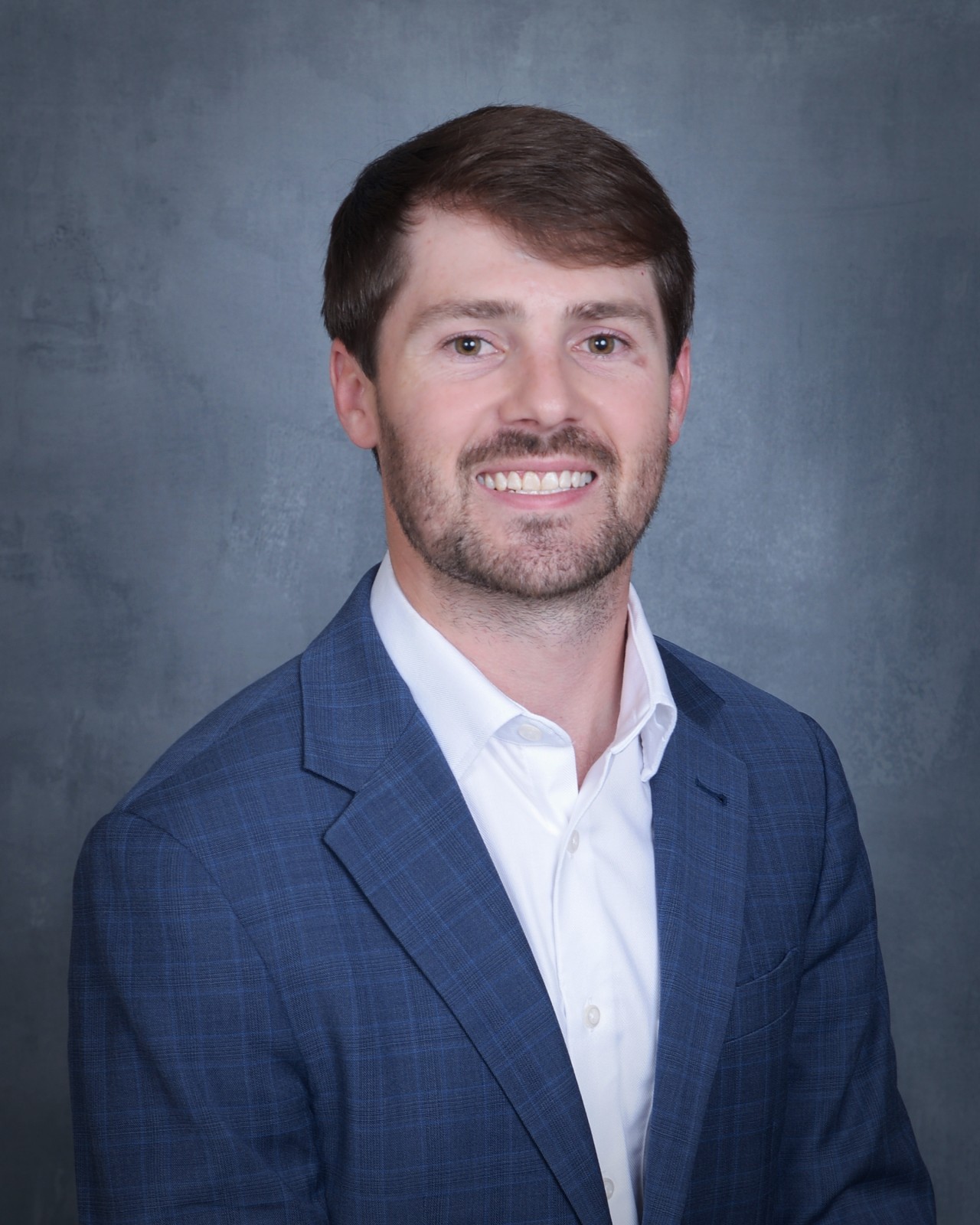
Nick Allman
CSP®
Atlanta, Georgia
Nick Allman, CSP®, brings a family-office and finance background to his work as an Associate Planner at The Rawls Group. The Certified Succession Planner™ program has given him a framework for considering how decisions about leadership, family relationships, and ownership affect one another.
“At The Rawls Group, we often emphasize that we're not simply planning for the succession of a business to the next generation; we're planning through the transition,” Nick says.
For Nick, that distinction raises questions about sequence: what needs to happen, when it needs to happen, and which advisors should be involved. He is beginning to apply his CSP® training in an engagement with three second-generation siblings who are active in their family business. As part of the planning team, he is considering leadership continuity, how managers work together, successor preparation, and family dynamics as connected issues.
A Foundation in Family-Office Work
Before joining The Rawls Group, Nick worked in a family office, first as a financial analyst and later as an associate. After studying accounting at Georgia College & State University, he built experience in financial analysis, family estate and succession planning, mergers and acquisitions, business valuation, and ownership transitions. His work included family-owned businesses in the automotive and specialty services industries.
That background put him close to questions that seldom stay within one professional discipline. An owner considering a transition may need to weigh business performance and ownership arrangements alongside family considerations and an existing estate plan. Nick also worked with clients’ CPAs, attorneys, and wealth advisors.
“I've found that business owners often face overlapping challenges involving their business, family, and leadership,” he says.
The experience gave Nick a foundation for his current role. The CSP® program helped him examine how those concerns fit within a broader succession planning process.
What He Does at The Rawls Group
Nick participates in initial interviews with an automobile dealer client, family members, and key managers. The planning team uses those conversations to understand the client’s goals, family dynamics, and succession challenges. Nick then works with other planners and the Plan Design Team to turn what they learn into observations, planning considerations, and potential next steps.
His work also takes him beyond individual engagements. He has spoken with groups including Auto Team America and professionals in the multi-unit franchise sector. He is studying for the Chartered Life Underwriter (CLU) designation through The American College of Financial Services, which he sees as closely aligned with The Rawls Group’s work.
What the CSP® Added to His Thinking
Nick pursued the Certified Succession Planner™ (CSP®) designation through the International Succession Planning Association® (ISPA®) because he wanted to understand the full range of issues an effective succession plan must address. The Succession Matrix® starts with owner motivation and perspective and extends through family dynamics and governance. For Nick, it reinforced how much planning extends beyond an ownership transfer.
One case study made that breadth easier to see. The parents owned multiple businesses and had several children of different ages. The planning questions involved ownership, compensation, business documentation, performance, and entity and tax structures. The case also examined how family members and employees communicated and led.
“That emphasis on communication and leadership helped me connect the technical planning concepts to the day-to-day realities of a family business,” Nick says.
Family dynamics and governance were among the most interesting and challenging parts of the program for him. Relationships differ from one family business to another, and bringing those relationships into business decisions can complicate a proposed plan. The coursework reinforced a question Nick believes advisors should ask early: “What would need to be true for this plan to work the way the owner intends?”
Seeing the Connections in Client Work
The engagement involving three second-generation siblings gives Nick a setting in which to apply what he learned. He has begun approaching leadership and management continuity, management teamwork, successor identification and preparation, and family dynamics with a broader view.
“The program gave me a more useful framework for thinking through how these areas of the Succession Matrix® connect, rather than viewing each one in isolation,” he says.
Nick describes a change in how he considers the planning issues. He is supporting the team’s work and continuing to build experience applying the framework in client situations.
Preparing the Person Who Will Lead
Successor identification and preparation is one of the areas Nick most wants to develop. He is interested in the point when the next generation, or another chosen individual, begins moving toward responsibility for the business. Identifying that person leaves the practical question of how they will become ready.
“It's not enough simply to name a successor,” Nick says. “That individual needs the right preparation, experience, and support to be ready when the time comes.”
Nick wants to learn more about helping clients assess that readiness and build it. He also wants more experience with family dynamics, where relationships can shape how people participate in decisions about the business.
Starting With the Work Already Done
Order and timing matter because an owner’s decisions affect family members, employees, customers, and vendors. Nick believes a planning team must slow down enough to consider what needs to happen first and which advisors should be involved, while respecting the owner’s timing.
Often, those advisors are already in place. By the time The Rawls Group becomes involved, Nick says, an owner typically has trusted CPAs, attorneys, wealth advisors, and bankers. His team starts by learning what planning they have completed, why earlier decisions were made, and what the owner intended those decisions to accomplish.
The team also asks how the owner sees the next five, ten, or fifteen years. Those answers help the planners identify where additional work may be needed and collaborate with the professionals who know the owner’s history. Each advisor brings technical expertise; the planning conversation helps connect that work to the owner’s goals for the business and family.
Client and Referral Focus
Nick’s current work is relevant to:
- Business-owning families, including dealership families, considering a future leadership or ownership transition.
- Families with multiple members active in the business, where the planning team needs to understand their roles and goals.
- Owners who have worked with other advisors and want to consider how earlier planning relates to their longer-term objectives.
His natural collaborators include CPAs and tax advisors, business and estate-planning attorneys, wealth advisors, and bankers already serving the owner.
The Work Ahead
Nick wants to deepen his experience with successor preparation and family dynamics. As he does, he is carrying a useful question from his CSP® training into his planning work: what would need to be true for the owner’s intended transition to work?
Explore ISPA® Resources
- Build a framework for your next owner conversation: explore the Certified Succession Planner™ (CSP®) program.
- Get tools, education, and a peer network built for succession planning advisors: join ISPA®.
- See how other advisors apply the Succession Matrix® with business owners: read the ISPA® Member Spotlight series.
Categories: : ISPA® Member Spotlight
Continue Learning
Signup for our newsletter, and follow us on social media for guidance, and updates focused on real-world succession planning.