Member Spotlight: Michael C. Valdez | Structure to Succession, Exit, and Transition Planning
 Succession Planning Resource
See how Michael Valdez used CSP® to broaden his succession planning practice and bring more structure to transition and client work.
Profile Snapshot
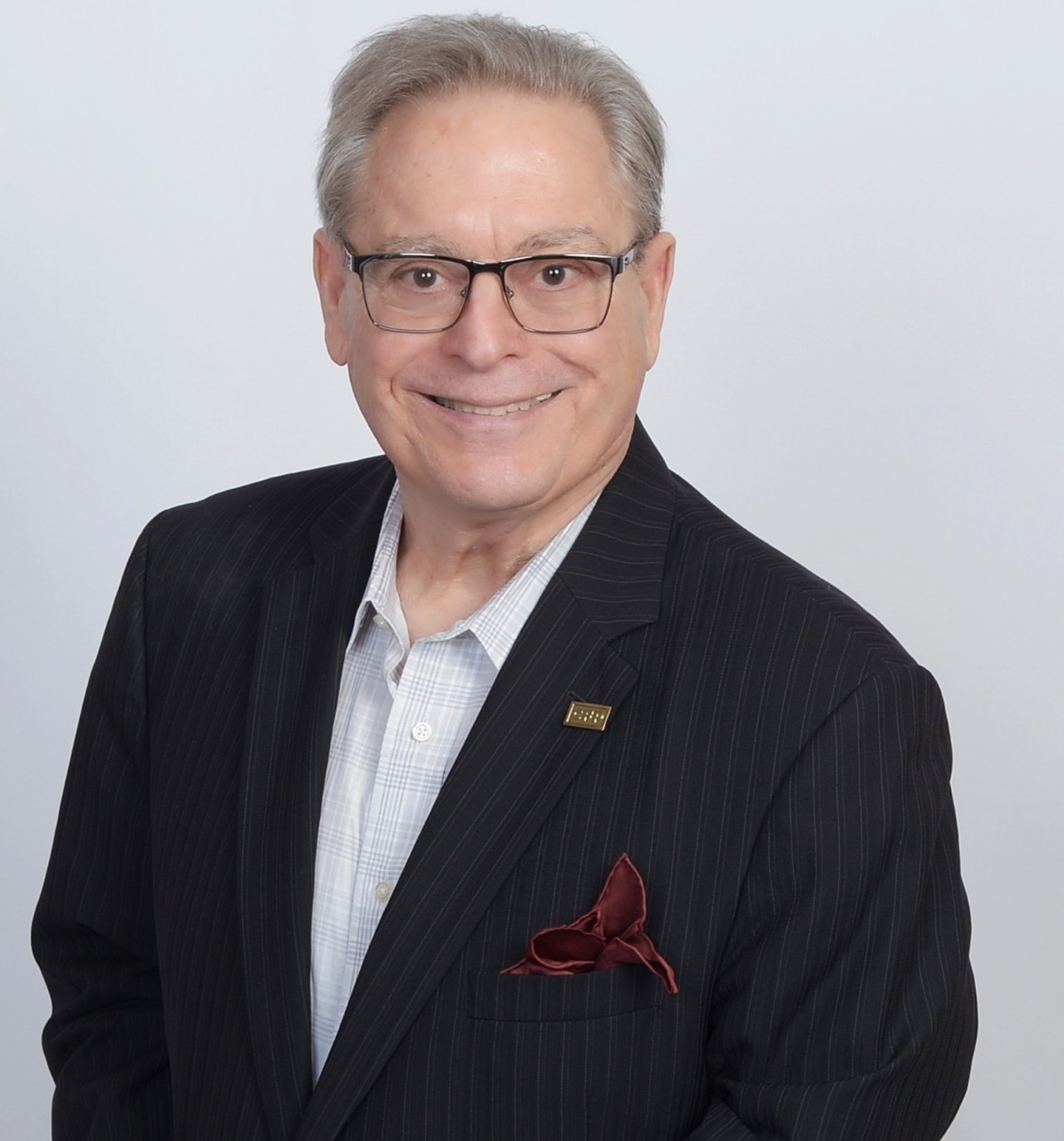
Michael C. Valdez
CFP®, CSP®, CLU®, AIF®

Greater Tampa Bay Area
Michael has spent more than four decades advising business owners, executives, and family enterprises through growth, succession, and transition decisions. He co-founded the Business Transition Council of Tampa (BTC) to strengthen how trusted advisors serve privately held business owners through succession, exit, and transition planning, and to bring financial, legal, tax, valuation, and operational strategy into the same conversation.
Many closely held businesses are successful, but far fewer are prepared for transition. They may have revenue, clients, and momentum, yet still fail the most important test of continuity: the owner cannot step away without weakening the business. Michael’s work is built to close that gap by helping owners identify succession assets and liabilities, measure readiness across the 10 interdependent factors of the Succession Matrix®, and prioritize the issues that most affect continuity, leadership transfer, and long-term value.
What Michael C. Valdez Sees That Many Advisors Miss
Michael starts with a distinction many advisors still blur. As he puts it, “Succession, exit, and transition planning belong together, but they are not the same discipline.”
That distinction changes the engagement. Succession planning is often treated too narrowly, as if it only matters when a business will stay in the family or transfer internally. Michael sees it more broadly. Even in a third-party sale, succession planning strengthens management continuity, improves leadership readiness, and can increase business value.
That view also fits the broader ISPA® methodology, which frames succession planning as a long-term, integrated discipline rather than a one-time transaction event.
Who He Serves
Michael works with successful Main Street and lower middle market businesses, often in the $1 million to $50 million top-line range, where the company is doing well but has not yet fully become an asset. The reason is usually the same: too much authority still sits with the owner.
That founder dependency is the real business problem. The owner holds the key decisions, relationships, and institutional knowledge. The business may appear healthy from the outside, but the moment the owner tries to step back, the lack of succession structure becomes obvious. Until that work begins, the owner stays tethered to the business and the business does not function like a true asset.
Michael helps owners address that directly. His work is focused on moving businesses from founder-dependent operations toward enterprises that are more repeatable, sustainable, scalable, and transferable.
When Informal Planning Stops Being Enough
For Michael, the need for structure becomes clear almost as soon as the conversation begins. A business may have family members involved, long-tenured employees in place, or informal assumptions about who will take over, but that does not mean a succession process exists. Succession planning is a formalized process, and it works best when it starts early.
The issue is rarely just naming a successor. It is authority. It is leadership readiness. It is timing. It is whether the owner is emotionally and strategically ready to move the business into its next stage. That is why Michael starts with owner motivation and perspective. Without readiness, the process stalls.
That is where process matters. Michael uses the Succession Planning Assessment™ to help owners move from broad concerns to a clearer evaluation of where the business is strong, where it is exposed, and which issues need attention first across the Succession Matrix®.
Why He Joined ISPA®
When Michael became involved with ISPA® more than a decade ago, his advisory lens was more heavily centered on exit planning and the transactional side of the engagement. Succession planning mattered, but it was not yet something he was consistently bringing in from the beginning.
ISPA® broadened that perspective. It expanded how he thought about the owner, the leadership team, the business itself, and the work that needs to happen before, during, and beyond a transaction. That shift moved the engagement from event-focused planning toward a more complete succession framework.
How CSP® Changed Michael C. Valdez’s Advisory Work
The biggest shift in Michael’s work after joining ISPA® and earning the Certified Succession Planner™ designation was a broader, more integrated advisory lens. What had been more focused on exit planning and transaction preparation evolved into a fuller approach that also included transition and transformation planning for both the business owner and the C-suite.
That shift changed the nature of the engagement. It created a more robust client offering, pulled the advisor into the conversation earlier, and opened the door to deeper coordination across disciplines. It also sharpened differentiation in a market where many professionals still approach succession through only one lens.
“If you are not pulling succession planning into it from the very beginning, you are missing a huge opportunity.”
That idea sits at the center of how Michael works today. The opportunity is to strengthen leadership continuity, operational independence, and long-term enterprise value well before an ownership event takes place.
How the SPA™ and Certified Succession Planner™ Framework Strengthened His Process
Michael points to the Succession Planning Assessment™ as one of the most practical tools in the process because it creates clarity for both advisor and client. In his words, “The SPA helps clients understand where they are and what comes next.”
That clarity matters because succession planning can stay vague without a disciplined way to evaluate it. The Succession Planning Assessment™ helps quantify the Succession Matrix® by measuring performance across its 10 interdependent factors and surfacing succession assets and liabilities that may be helping or hindering continuity. Instead of relying on assumptions or isolated observations, the process gives the owner and advisor a more complete view of where the business is strong, where it is vulnerable, and which issues are most likely to affect long-term success.
For Michael, that changes the conversation. The process becomes more than a general discussion about transition. It becomes a structured evaluation of the business from a 360-degree perspective, with clearer priorities and a more disciplined path forward. That allows him to help owners address what matters most first, whether the issue is leadership continuity, successor preparation, business performance, family dynamics, personal planning, or another factor affecting continuity.
That also aligns with ISPA®’s broader framework. The Succession Matrix® is designed to help ensure no critical planning area is overlooked, and the Succession Planning Assessment™ gives advisors a practical way to evaluate a business across those factors efficiently and systematically.
When the Transaction Was Only Part of the Story
One client situation helped sharpen Michael’s thinking. In an earlier engagement, a business owner was primarily focused on how to sell the business, how it should be valued, and where they stood financially. The eventual successor was not meaningfully brought into that process. The business was ultimately sold to that successor anyway, and later grew and changed significantly under new leadership.
For Michael, the lesson was clear. What looks like a transaction issue at the beginning often reveals a broader succession issue underneath. When successor preparation, authority transfer, and transition planning are delayed, the business may still reach an outcome, but it gets there with more friction than necessary. A more structured succession process creates a stronger advisory process and a more complete result.
That is why his work now begins earlier and with more structure: assessing the business across the Succession Matrix®, identifying where continuity is strongest or weakest, and helping owners address the factors that could limit transferability before they become transaction obstacles.
What Stronger Transitions Tend to Have in Place
In Michael’s experience, stronger transitions are marked by depth. They do not rely on a short checklist or a few broad ideas. They require more detailed thinking, stronger leadership preparation, and a willingness to address the issues that influence continuity over time.
That is also why multidisciplinary coordination matters. Strong transitions rarely depend on one discipline alone. They require alignment across ownership, leadership, planning, valuation, legal structure, and continuity strategy. Michael’s work through BTC reflects that reality. It is built around coordinated, client-centered planning rather than fragmented advisory silos.
Client & Referral Focus
Michael C. Valdez is a strong referral fit for:
- business owners of successful Main Street and lower middle market companies
- founder-dependent businesses where too much authority remains concentrated in one person
- companies preparing for leadership transition, ownership change, or long-term continuity planning
- situations where a likely successor has not yet been fully brought into the process
- owners focused on transaction mechanics without enough attention to leadership-transfer readiness
- advisory teams seeking a more coordinated approach to succession, transition, and exit planning
His work aligns naturally with financial, legal, tax, valuation, and operational professionals who want to serve business owners through a more integrated planning model. That multidisciplinary fit strengthens his position within the ISPA® network.
A More Complete View of Succession Planning
Michael C. Valdez’s perspective reflects the kind of work the International Succession Planning Association® is helping elevate across the profession: structured, practical, and broad enough to support the long-term success of owners, leadership teams, and the businesses they have built. It also reflects the kind of advisor this series is meant to showcase: credible, multidisciplinary, and able to guide clients through succession with more rigor than transaction planning alone.
Member Resource & Next Steps
Build a more structured succession planning practice:
- Learn more about the ISPA® membership
- Read more member spotlight stories
Categories: : ISPA® Member Spotlight
Continue Learning
Signup for our newsletter, and follow us on social media for guidance, and updates focused on real-world succession planning.