Member Spotlight: Sheila Christie | Connecting Estate Planning and Business Succession
 Succession Planning Resource
Sheila Christie, JD, CSP®, shares how she connects estate planning and business succession for business-owning families.
Profile Snapshot
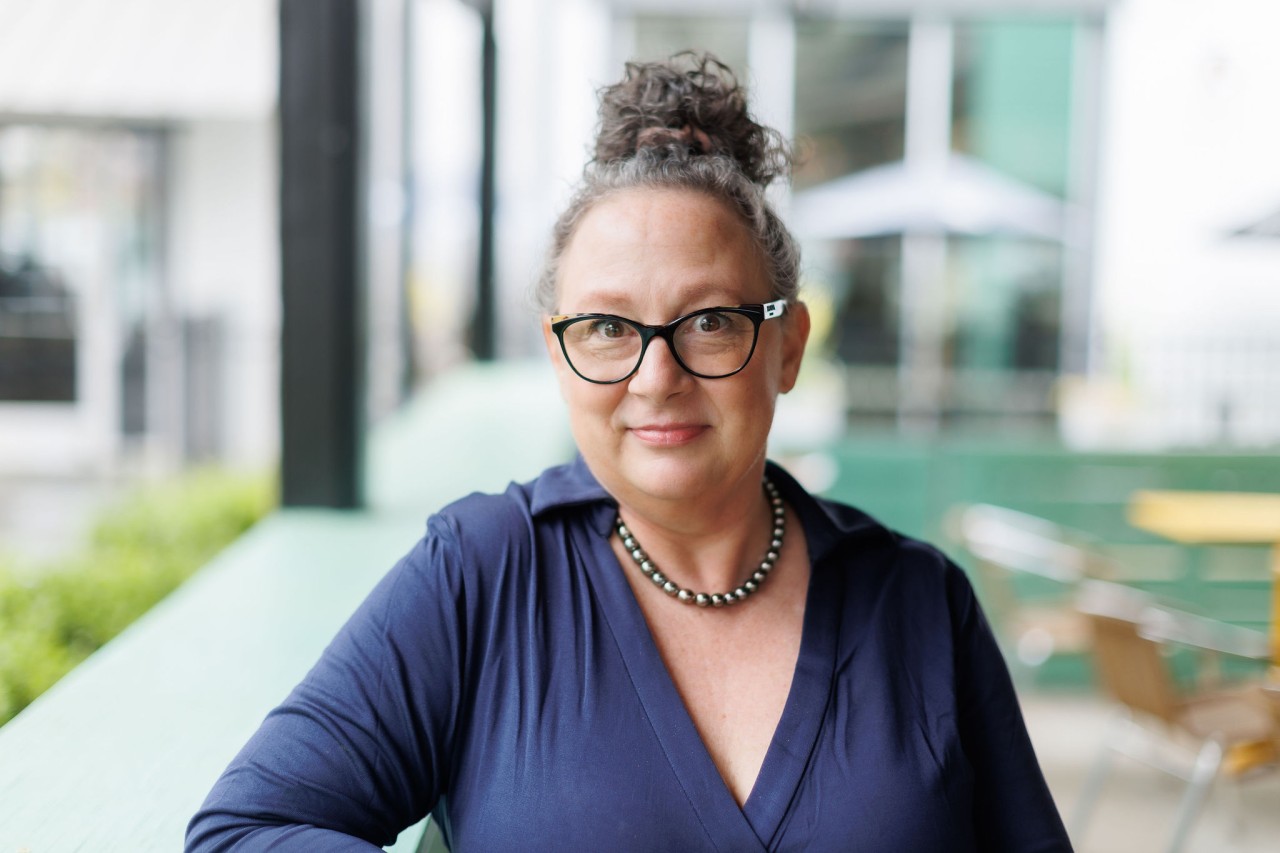
Sheila Christie
JD, CSP®
Atlanta, Georgia
Sheila Christie’s clients rarely arrive asking for succession planning. They come in for estate planning. They want wills, trusts, and a clear picture of what happens to the wealth they have spent decades building. What surfaces almost immediately, though, is something much larger: how to connect estate planning and business succession so a closely held business can transfer to the next generation without creating unnecessary strain on the family in the process.
As Director, Regional Wealth Strategist at Forvis Mazars Private Client, Sheila works primarily with high-net-worth individuals and families whose wealth is concentrated in operating businesses. Her background spans estate planning, trust administration, fiduciary leadership, and private client strategy, giving her a broad view of how family wealth, business ownership, and transition planning have to work together.
For Sheila, wealth transfer and business transition are often part of the same conversation because the business is not just an asset on the balance sheet. It is often the family’s primary source of wealth, identity, and future opportunity.
She serves clients across a range of industries, including family-owned dealerships where succession has already passed from parent to child to grandchild, sometimes with gaps that no one recognized at the time.
“A lot of times, they may already think they’re in succession planning,” she says. “But then I’ll talk to the parent and the child, and they have completely different ideas about where they are and what they’re going to end up doing.”
That disconnect, between what a business owner believes is in place and what is actually there, is where most of Sheila’s succession work begins.
When Structure Becomes Necessary
Sheila sees a consistent pattern in her practice. Clients come in believing the succession planning is done. Someone has been named. The next generation knows they are in line. A rough timeline has been discussed. What has not happened is the harder work: aligning expectations, addressing the personal side of the transition, and building a structure that accounts for every element of what a real handoff requires.
“Most of the time I see the need for structure when people think that succession planning is just sort of telling the next in line that they’re going to be in line,” she says. “It needs to be more meaningful than that.”
One situation captures this clearly. A prospect came to Sheila already mid-succession, with one brother wanting out immediately and another planning to stay for years. When she asked what succession planning they had done, they described their efforts. She introduced them to the full scope of the Succession Matrix®.
The Succession Matrix® gives advisors a way to look beyond one planning issue and evaluate the personal, business, leadership, successor, family, and governance factors that influence whether a transition can actually work.
“They said, ‘We need that. We thought we were succession planning, but we see now we’ve done one section of it.’”
That kind of recognition, that what they had been doing was one piece of a much broader process, is what Sheila helps clients see. Structured succession planning helps families move forward with fewer loose threads and less emotional baggage left for the future.
For Sheila, structure is not about turning every client conversation into the same process. It is about helping families and advisors recognize which pieces of the transition have been addressed, which pieces remain unresolved, and where a more complete planning conversation is needed.
Connecting Estate Planning and Business Succession Through the CSP® Framework
Sheila brings a legal and estate planning background to her work as a wealth strategist. She brought deep expertise in tax strategy, trust structures, and wealth transfer into her practice long before she engaged with the International Succession Planning Association® (ISPA®). What the CSP® gave her was a way to connect estate planning and business succession with the same level of structure and clarity she had always applied to the estate side.
“I think the CSP® really taught me a good way forward to explain how succession planning does have both the personal component and the business component, and both of those sides have multiple aspects to them.”
Before, she was having estate planning conversations that touched on business succession. After, she had a framework, a shared language, and a structured methodology to make those conversations productive. She could bring clients a broader and more complete picture of what succession planning actually involves, and help them see how much more there was to address.
“Being able to sort of talk to folks about this, about what we’re actually talking about, it’s a bigger, broader thing than you are thinking of right now. It helps them visualize. It enables them to say, okay, there’s more that I want to get accomplished on this.”
The Succession Matrix® also gave her practical flexibility. With some clients, Sheila works across the full breadth of the framework. With others, she zooms in on the sections most relevant to where they are in the process.
“Some are already mid-succession, and they’ve done a great job with parts of it,” she says. “So some of it is being able to pick out where my focus should be and how that will best improve the outcome for the client.”
That flexibility, the ability to meet clients where they are rather than applying a one-size approach, is one of the things she values most about the methodology.
What Separates a Well-Prepared Transition
After years of working at the intersection of estate planning and business succession, Sheila is direct about what she sees separate strong transitions from difficult ones.
“Communication, transparency, and knowledge, all the different aspects that come into play.”
The owner needs to communicate expectations to the next generation. The next generation needs to communicate back. And the timeline needs to be realistic.
“People need to realize transitioning should be a two or three year at least project,” she says. “That scattershot old way of doing it, of somebody needing to give away their business and plopping it into somebody’s lap, is not productive or healthy.”
What the CSP® framework gave her was a common language for doing that work across both the estate and business sides of the table. Estate planning attorneys and business succession advisors do not always speak the same language. The ISPA® methodology bridges that gap.
“I feel like this gives me that language. It’s allowed me to have the conversations not just from a family side, but from the business side more effectively.”
For advisors, that shared language can help move succession planning away from isolated technical tasks and toward a more coordinated conversation about ownership, leadership, family expectations, and long-term continuity.
Client and Referral Focus
Sheila’s practice is strongest with:
- High-net-worth families with closely held businesses, including multi-generational ownership structures
- Business owners approaching a transition who are also in active estate or gift tax planning
- Family-owned enterprises, including dealerships, where succession has passed across generations
- Clients navigating the intersection of personal wealth transfer and business continuity
Advisors working with similar clients, particularly CPAs, business attorneys, financial advisors, and other professionals engaged in estate or transition work, are natural collaborators.
A More Complete Way to Guide Business Transition
Sheila Christie came to the International Succession Planning Association® (ISPA®) as a seasoned professional with deep experience guiding families through complex wealth transitions. The CSP® gave her the structure, methodology, and language to go deeper with clients who needed more than legal documentation. It helped her connect estate planning and business succession into a more complete process for guiding business-owning families through transition.
Sheila’s story reflects what many advisors discover as their work with business-owning families grows more complex: technical expertise matters, but structure, language, and process help turn difficult transition conversations into meaningful progress.
For advisors who want to build that kind of structured succession planning practice, the Certified Succession Planner™ designation provides a framework for guiding clients across the personal, business, and family dimensions of transition.
Learn More About What ISPA® Offers
Interested in building a succession planning practice with the depth and structure Sheila describes?
- Explore the Certified Succession Planner™ (CSP®) designation to build a structured framework for guiding clients through the personal, business, and family dimensions of succession planning.
- Learn about the ISPA® membership and joining a professional community focused on advancing succession planning education, collaboration, and advisor development.
- Read more member spotlight stories to see how other advisors are applying ISPA® tools, training, and methodology in their work with business-owning clients.
Categories: : ISPA® Member Spotlight
Continue Learning
Signup for our newsletter, and follow us on social media for guidance, and updates focused on real-world succession planning.